GRIDSERVE launches biodiversity MOT to turn solar farms into nature havens
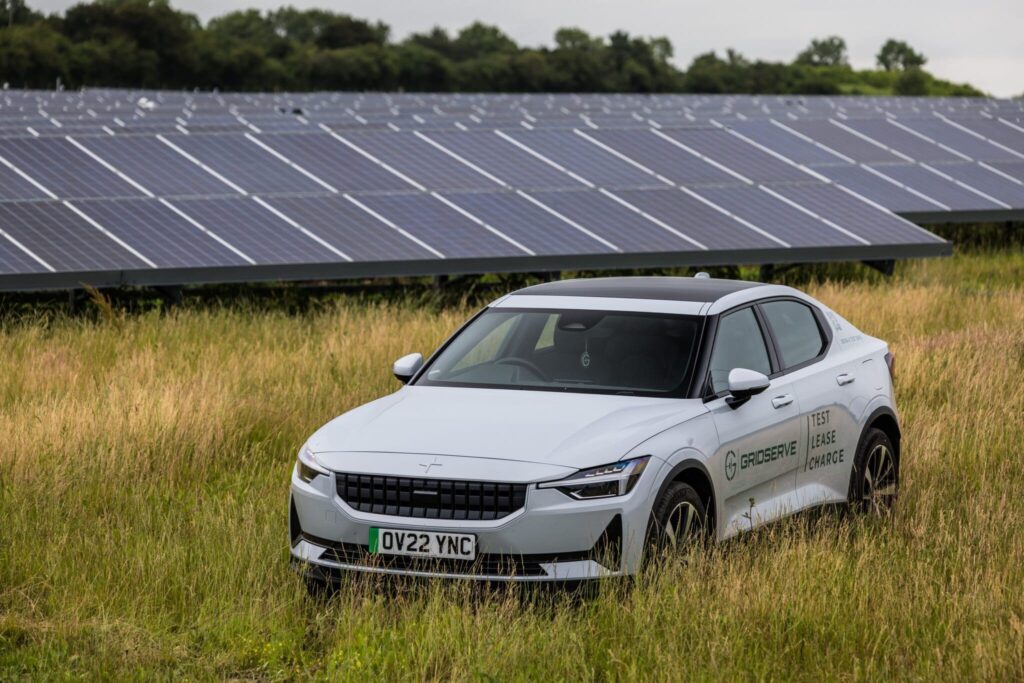
The development of UK solar farms isn’t just a great way of generating secure, home-grown clean energy; it could also help tackle both climate and biodiversity crises. The trouble is very little research exists to support these assumptions, which is why GRIDSERVE has decided to embark on its own study in 2023.
We’re in the process of establishing biodiversity baselines across each of our solar farms – think of them like an MOT for the land. Our aim is to leverage these largely undisturbed areas with careful land management and the creation of native wildlife habitats to allow nature to flourish.
But in order to do this, we need to know what is happening now so that, over time, we’ll have much more clarity and understanding of the biodiversity gains we’re achieving.
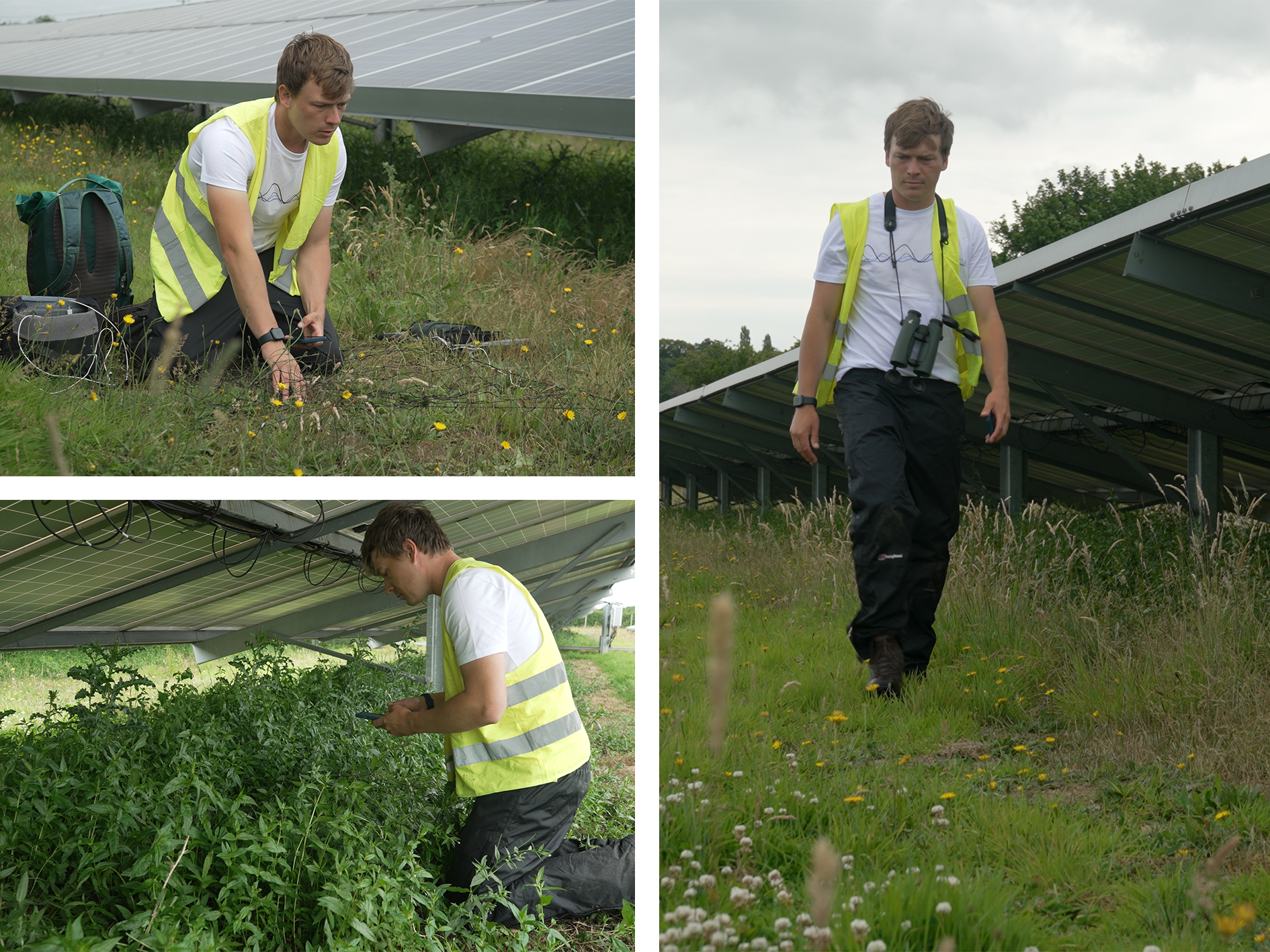
 Conor explains how the research being conducted at all of GRIDSERVE’s solar farms will be focussed on four key indicators: botany (both grasses and broadleaved plants), invertebrates (specifically butterflies and bumblebees), birds (including notable species and ground nesting birds) and soil, assessing the composition of microbes.
To do this, he starts by roaming the flat tussocky grasses around the rows of solar panels to observe habitats and survey species, generating condition assessments. Next, he conducts quadrats (square frames to isolate areas on the ground) and botanical surveys, gathers soil samples and takes fixed point photos that can all be documented and compared over time.
Conor explains how the research being conducted at all of GRIDSERVE’s solar farms will be focussed on four key indicators: botany (both grasses and broadleaved plants), invertebrates (specifically butterflies and bumblebees), birds (including notable species and ground nesting birds) and soil, assessing the composition of microbes.
To do this, he starts by roaming the flat tussocky grasses around the rows of solar panels to observe habitats and survey species, generating condition assessments. Next, he conducts quadrats (square frames to isolate areas on the ground) and botanical surveys, gathers soil samples and takes fixed point photos that can all be documented and compared over time.
The state of nature in the UK
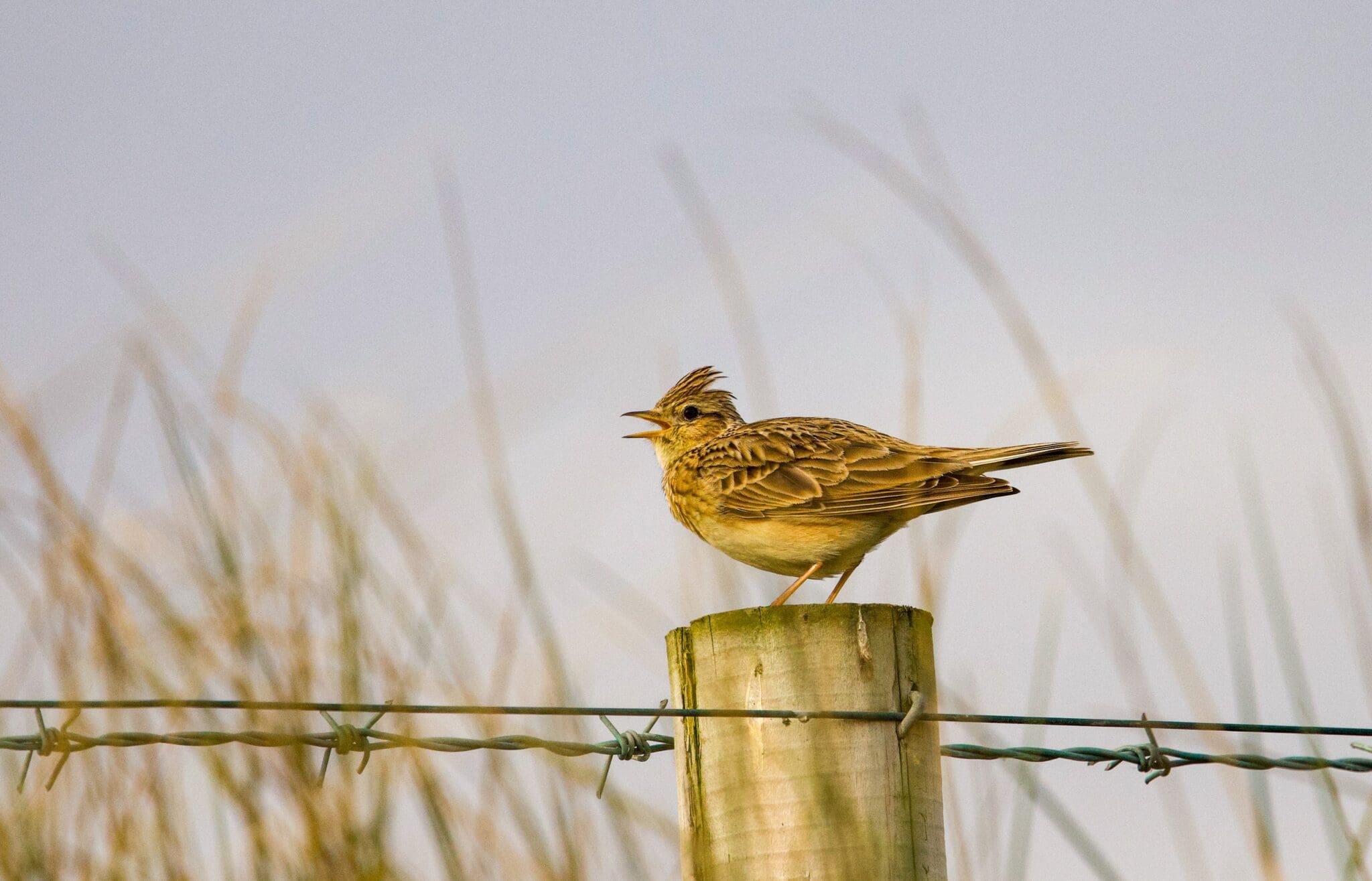
Why, you may ask, does GRIDSERVE care so much about any of this? In short, because nature underpins everything that makes our lives possible and a recent State of Nature Report – compiled by 80 conservation organisations – has determined that the UK is now one of the most nature-depleted countries in the world. William Blake’s phrase “green and pleasant land” may be a common way to describe a British landscape, but while things may look green, this health check reveals they are less than pleasant. Within a generation, vast swathes of our countryside that once thrummed with the sound of wildlife have fallen silent. In just 20 years, our flying insect populations have declined by 60% while today, one third of our birds are at risk of extinction, as are one quarter of all our mammals. This includes once common farmland birds, such as skylarks and yellowhammers (songbirds that depend on insects for their chicks and grasslands or hedgerows for their nests), that have now joined an ever-expanding red list of Britain’s most endangered birds. Population crashes like these are signs of an ecosystem unravelling. These birds are, in a very real sense, our canaries in the coal mine. We need to start turning things around.Solar farms give nature a chance to fight back
GRIDSERVE’s Clayhill Solar Farm was built on 44 acres near Flitwick, Bedforshire. Every year, this site delivers the equivalent of 40 million electric vehicle miles for our customers on the GRIDSERVE Electric Highway thanks to 10MWp of solar photovoltaics co-located with a 6MW battery storage facility. Yet beyond this critical energy generation, giving priority to the natural environment will allow ecosystems to recover and benefit the land’s most precious resource – its soil. By minimising the amount of land that is ploughed or worked for crops, we can encourage a healthier soil structure which supports greater biodiversity, stores carbon and helps prevent flooding and drought. And it’s Clayhill that is the first location of our biodiversity baseline study.
How do you measure biodiversity practically?
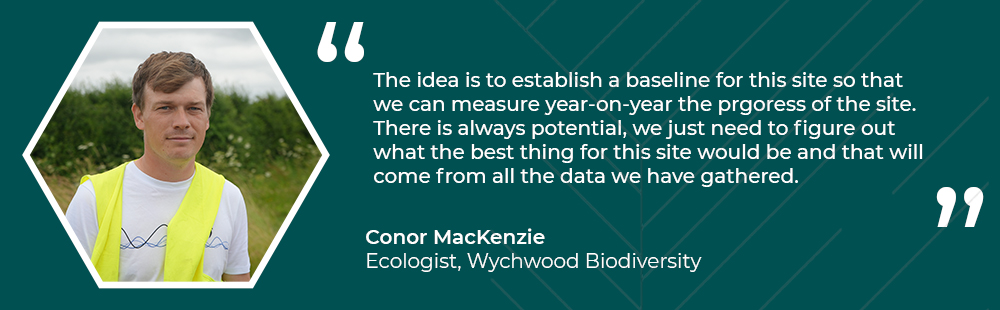
Biodiversity Net Gain (BNG) has become quite the buzzword for any permitted development. It basically asks that any new projects commissioned leave the natural environment in a measurably better state than it was beforehand. Of course, the measurement aspect gets contentious quickly, so to help GRIDSERVE be as transparent as possible, we’re working with a team of independent specialists at Wychwood Biodiversity. Wychwood’s Conor MacKenzie is an ornithologist (that’s a bird expert to you and me) with a passion for restoring habitats and a wealth of practical experience in nature conservation, having worked with Natural England, the Wildlife Trust, as well as the Wildfowl and Wetlands Trust.
Conor explains how the research being conducted at all of GRIDSERVE’s solar farms will be focussed on four key indicators: botany (both grasses and broadleaved plants), invertebrates (specifically butterflies and bumblebees), birds (including notable species and ground nesting birds) and soil, assessing the composition of microbes.
To do this, he starts by roaming the flat tussocky grasses around the rows of solar panels to observe habitats and survey species, generating condition assessments. Next, he conducts quadrats (square frames to isolate areas on the ground) and botanical surveys, gathers soil samples and takes fixed point photos that can all be documented and compared over time.