Opinion: The Electric Freightway is our opportunity to embrace logistics transformation
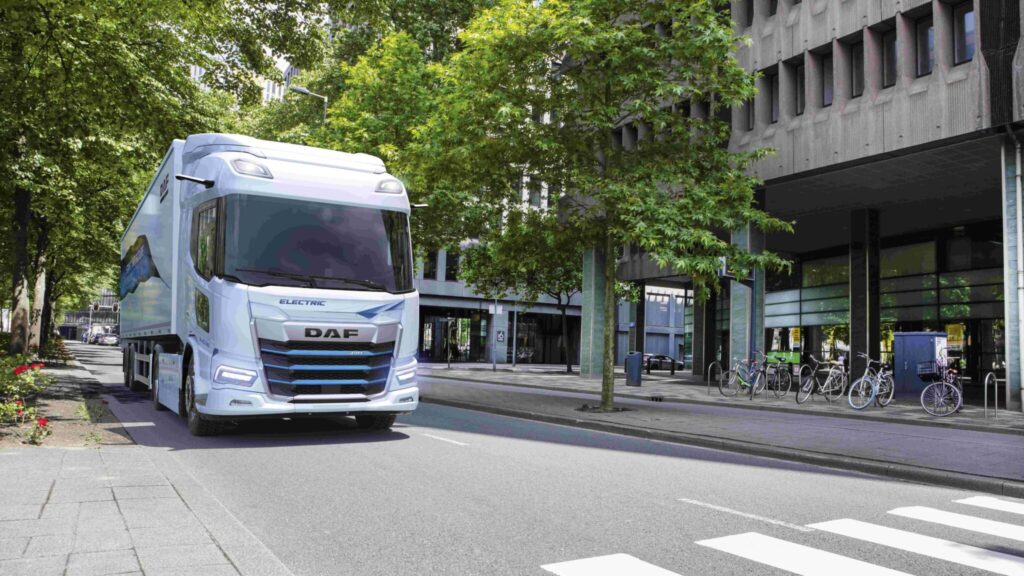
The decarbonisation of the UK truck fleet is the greatest disruptor logistics has ever seen. Industry is already responding, but rather than simply ask how we can make new technologies fit existing businesses, shouldn’t this be an opportunity to see how many other issues we can solve during the process of transformation? Louise Cole is ready for the eHGV revolution.
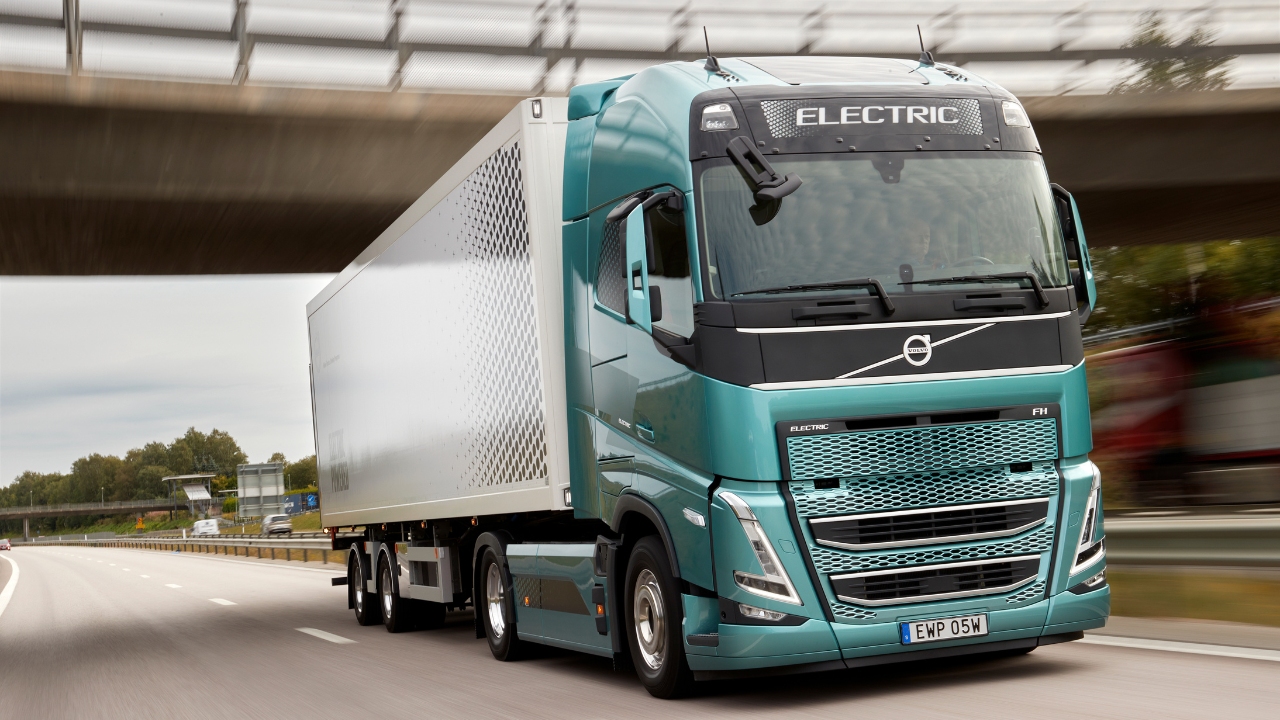 The industry needs greater government support and many applications will benefit from the development of the GRIDSERVE Electric Freightway infrastructure, particularly along key arterial routes. Without this ambition, electric trucks could essentially be confined to back-to-base urban and regional operations.
The great challenge of decarbonisation, however, is not the how or the who pays? They are crucial details along the way, but will inevitably be resolved. The grand challenge, which will not be answered unless we choose to do so, is how many of the industry’s issues can we address in this one sweeping change?
If climate change teaches us anything it’s that using something for only one purpose is an unaffordable waste. “Not just greener, but better” should be our motto.
The industry needs greater government support and many applications will benefit from the development of the GRIDSERVE Electric Freightway infrastructure, particularly along key arterial routes. Without this ambition, electric trucks could essentially be confined to back-to-base urban and regional operations.
The great challenge of decarbonisation, however, is not the how or the who pays? They are crucial details along the way, but will inevitably be resolved. The grand challenge, which will not be answered unless we choose to do so, is how many of the industry’s issues can we address in this one sweeping change?
If climate change teaches us anything it’s that using something for only one purpose is an unaffordable waste. “Not just greener, but better” should be our motto.
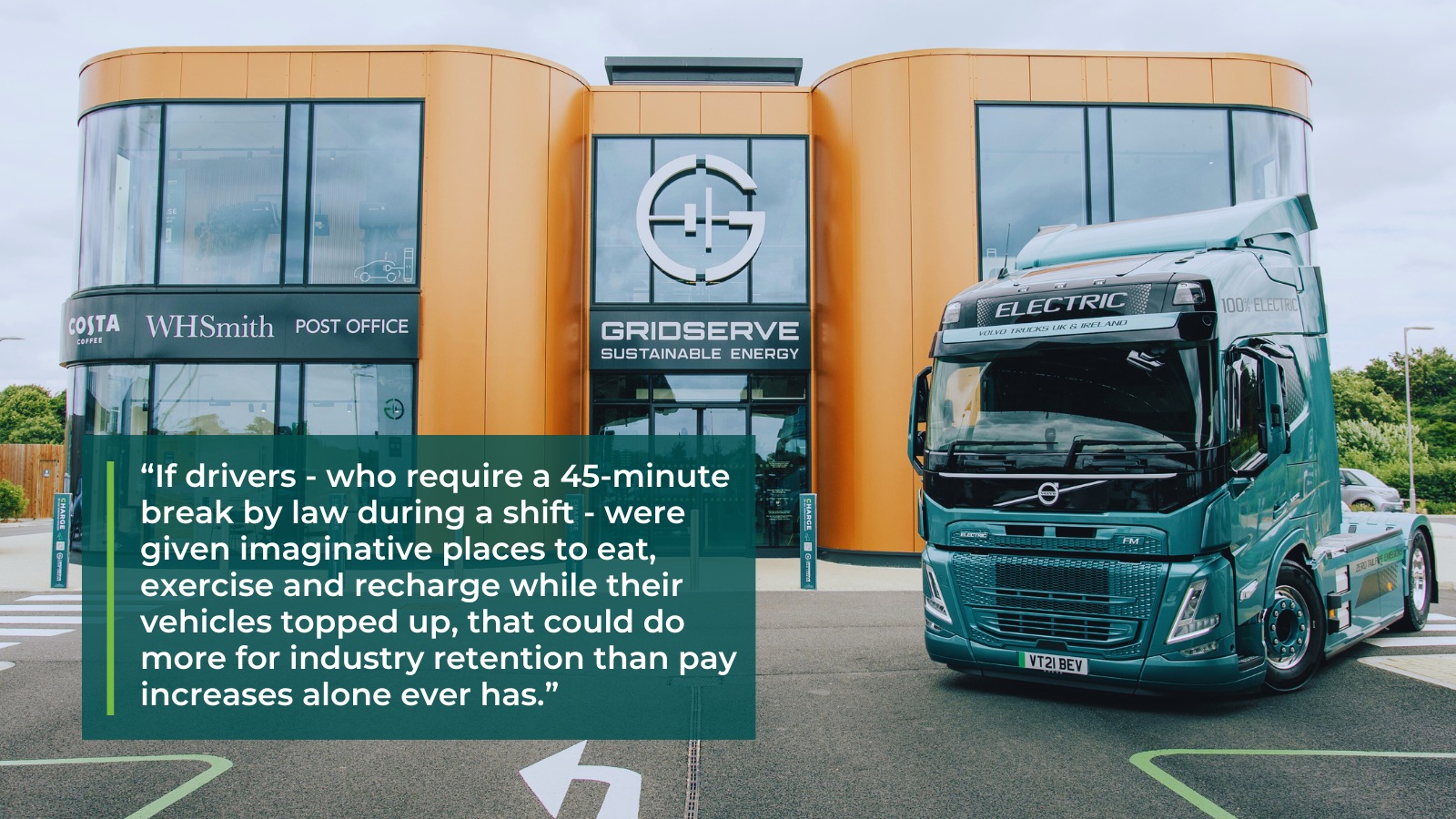 Truck charging has some way to go before we get the two-hour DC rapid charge down to maybe 45 minutes, but it will happen. Battery and charging technology are moving apace. If drivers – who require a 45-minute break by law during a shift – were given imaginative and well-equipped places to eat, exercise and recharge themselves while their vehicles topped up, that could do more for industry retention than pay increases alone ever has.
In the past, many drivers and operators have avoided MSAs as expensive and unwelcoming. In the future, many trucks will have to recharge on the strategic road network – so this is an opportunity to transform drivers’ working experience. Free chilled water, exercise opportunities, comfortable relaxation areas – it would cost very little to make them feel properly valued.
Truck charging has some way to go before we get the two-hour DC rapid charge down to maybe 45 minutes, but it will happen. Battery and charging technology are moving apace. If drivers – who require a 45-minute break by law during a shift – were given imaginative and well-equipped places to eat, exercise and recharge themselves while their vehicles topped up, that could do more for industry retention than pay increases alone ever has.
In the past, many drivers and operators have avoided MSAs as expensive and unwelcoming. In the future, many trucks will have to recharge on the strategic road network – so this is an opportunity to transform drivers’ working experience. Free chilled water, exercise opportunities, comfortable relaxation areas – it would cost very little to make them feel properly valued.
The electrification of road freight
There are 1,500 electric trucks on the roads, financed and operated by some of the biggest fleets in the country. Tesco, with the first 40-tonne, fully-electric Volvo and DSV with its Volta trial spring to mind, along with equally progressive albeit lesser-known businesses such as Boughey Distribution, Mitchells of Mansfield and Welch’s Transport, all eager to learn the lessons necessary to make their future decarbonisation decisions. These early adopters must be applauded because they are generating learning which, one way or another, will benefit all of us, and fellow hauliers most of all.
The industry needs greater government support and many applications will benefit from the development of the GRIDSERVE Electric Freightway infrastructure, particularly along key arterial routes. Without this ambition, electric trucks could essentially be confined to back-to-base urban and regional operations.
The great challenge of decarbonisation, however, is not the how or the who pays? They are crucial details along the way, but will inevitably be resolved. The grand challenge, which will not be answered unless we choose to do so, is how many of the industry’s issues can we address in this one sweeping change?
If climate change teaches us anything it’s that using something for only one purpose is an unaffordable waste. “Not just greener, but better” should be our motto.
Driver facilities
The freight industry has well documented issues with recruitment and retention. Earlier this year, a Samsara report indicated that 90% of commercial fleet managers put driver recruitment top of their concern list. A 2023 executive membership report for Logistics UK also found that while the industry lacks about 60,000 drivers, with rigid and home delivery drivers being the most elusive, low freight volumes were holding the acute driver shortage in abeyance. Recruitment and retention of younger drivers is a particular challenge, as 12,000 HGV drivers retire each year and only 6,000 join, according to Driver Require’s Think Tank. Electrifying HGVs may well remove some of the less attractive aspects of the job and give young drivers a tech-rich environment they feel at home in. Another critical issue is the lack of driver facilities. Motorway service areas (MSAs) are often decried as inadequate – yet the necessity of creating a national charging infrastructure for trucks is an opportunity for these sites to also reinvent themselves. GRIDSERVE’s Braintree Electric Forecourt® presents a pioneering prototype for EV charging stations in the future. It has office facilities, a Post Office, a lounge, café, super-fast Wi-Fi and picnic areas. It has also become the de facto depot for the local Royal Mail electric vans, among others, which stop there to charge at the end of their shifts.
Truck charging has some way to go before we get the two-hour DC rapid charge down to maybe 45 minutes, but it will happen. Battery and charging technology are moving apace. If drivers – who require a 45-minute break by law during a shift – were given imaginative and well-equipped places to eat, exercise and recharge themselves while their vehicles topped up, that could do more for industry retention than pay increases alone ever has.
In the past, many drivers and operators have avoided MSAs as expensive and unwelcoming. In the future, many trucks will have to recharge on the strategic road network – so this is an opportunity to transform drivers’ working experience. Free chilled water, exercise opportunities, comfortable relaxation areas – it would cost very little to make them feel properly valued.