Key Takeaways
- EVs and GRIDSERVE chargers are designed to be used safely in rain, standing water and storms, provided drivers follow basic safety rules.
- Every GRIDSERVE Electric Forecourt®, Electric Super Hub and Electric Highway charger is built to strict UK and international safety standards for wet weather operation.
- Rain may slightly affect range and charging speed (around 10-30% in cold, wet conditions), but it does not make driving or charging inherently dangerous.
- Modern electric vehicle battery packs and high-voltage components are sealed to IP67 standards or better, designed to withstand water immersion.
- GRIDSERVE monitors its network 24/7 and designs sites with drainage and weather-resilient infrastructure to keep EV drivers confident in any conditions.
2026 has turned out to be one of the wettest years on record in the UK. With flooding on the news, standing water on motorways, and seemingly endless downpours, it’s no surprise that drivers are asking: is it actually safe to drive and charge an electric car in heavy rain?
The short answer? Yes. The technology inside your electric vehicle and the infrastructure at GRIDSERVE charging sites is specifically engineered for exactly these conditions. But we understand the concern, electricity and water don’t exactly have a reassuring reputation together. So let’s bust some myths, answer the questions we hear most often, and give you practical tips for charging your EV with confidence, even when the heavens open.
The rest of this article covers everything from the safety systems built into public chargers to how rain affects your car’s range, plus a focused FAQ section at the end for quick answers.
Can I Charge My EV in the Rain at GRIDSERVE Sites?
Yes, you absolutely can. Whether it’s drizzle, a downpour, or a full-blown UK storm, charging your vehicle at GRIDSERVE locations is safe. We’ve designed our entire network with British weather firmly in mind (and let’s be honest, that means a lot of rain).
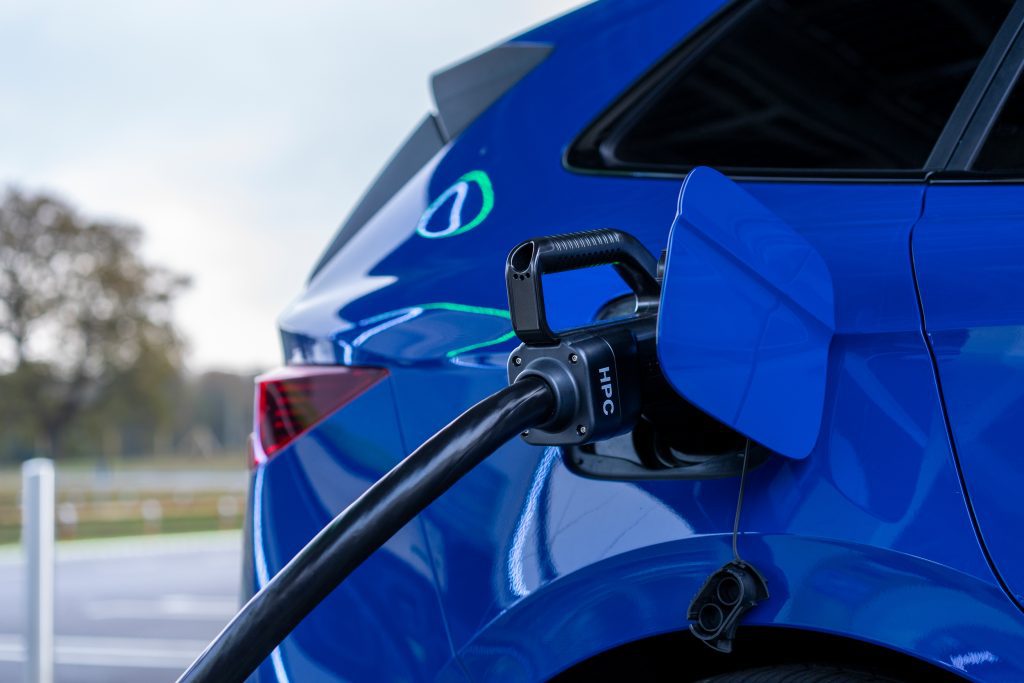
GRIDSERVE’s high power chargers, including DC rapid and ultra-rapid units delivering up to 350kW, are weather-sealed and use connectors specifically designed to be plugged in and unplugged while it’s raining. The connection points are engineered so that live electrical contacts are only energised once the plug is securely latched into your car and the charger and vehicle have completed their safety handshake, meaning the weather won’t affect the energisation, or your safety.
All GRIDSERVE chargers meet or exceed UK wiring regulations (BS 7671) and relevant IEC standards for outdoor use. This includes ingress protection (IP) ratings that guard against water and dust. In plain English: these chargers are tested and certified to work safely in wet conditions, year after year.
At a GRIDSERVE Electric Forecourt® or Electric Super Hub, you’ll typically find:
- Good lighting so you can see what you’re doing, even at night or in heavy rain
- Clearly marked parking bays with non-slip surfaces
- Drainage designed to prevent water pooling around charger bases
- At our Electric Forecourts®, shelter is provided while you plug in
Simple safety checks for heavy rain:
- Avoid standing in deep water when connecting
- Don’t use visibly damaged cables or connectors
- Follow the on-screen instructions on the charger
- Report any issues via GRIDSERVE support using the number on the unit
Can I Drive My EV in Heavy Rain and Standing Water?
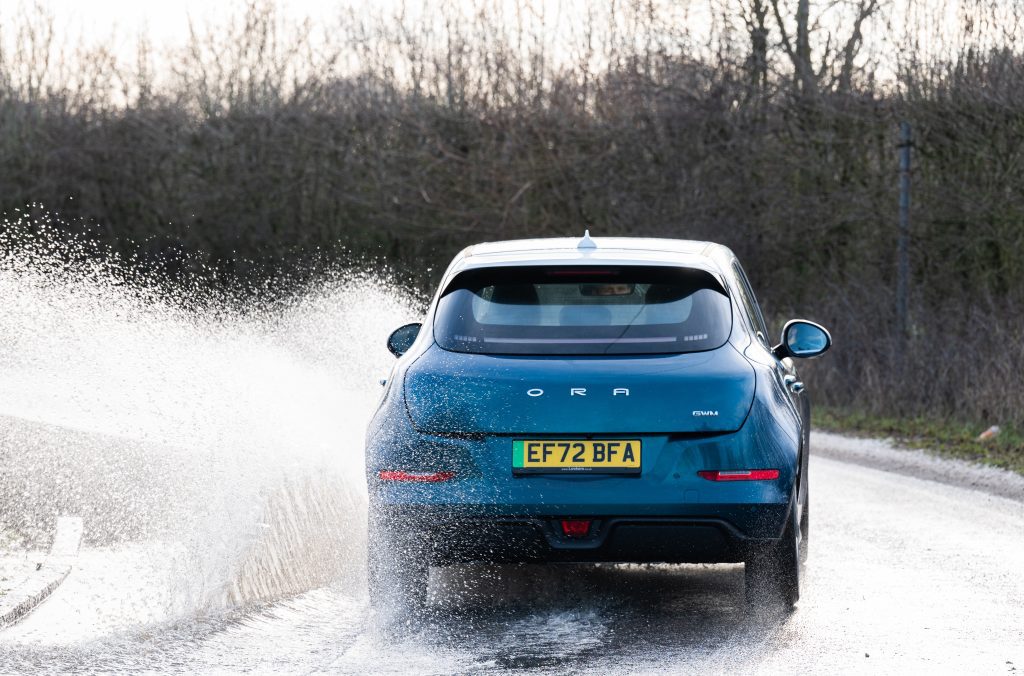
Modern electric cars sold in the UK are tested to drive safely in heavy rain, just like petrol and diesel cars. You don’t need to treat your new electric car any differently from an ICE vehicle when the weather turns.
EV battery packs and high-voltage components are sealed and mounted in rigid casings, typically rated to IP67 or better. This means they’re designed to withstand immersion in water up to a metre deep for 30 minutes. The conditions 2026 seems to be throwing at us, motorways with surface water, flooded rural B-roads, spray from lorries, are all scenarios zero emission vehicles are engineered to cope with when driven sensibly. However, various factors such as water depth, road conditions, and vehicle design can influence how safely an EV can be driven in wet weather.
Driving advice for any car in heavy rain (including EVs):
- Reduce your speed and increase your following distance
- Use appropriate lights (dipped headlights, not fog lights unless visibility is very poor)
- Avoid driving through water deeper than the centre of your wheel
- If a road is closed or looks dangerously flooded, don’t risk it, find an alternative route
EVs have fewer moving parts than traditional petrol or diesel cars, but the same common-sense rules apply to all drivers when water is covering the road.
Myths About EVs, Electricity and Water
Let’s tackle some of the most common misconceptions head-on. We hear these a lot, so if you’ve been wondering about any of them, you’re definitely not alone.
Myth: Plugging in an EV charger in the rain is like using a hairdryer in the bath
What actually happens: This comparison sounds alarming, but it misses how EV charging technology works. Public DC chargers have multiple layers of insulation, earth protection and automatic shut-off systems. The connector you hold isn’t live until it’s securely latched into the car and both the charger and vehicle have confirmed the connection is safe. It’s nothing like dropping a plugged-in appliance into water.
Myth: Touching a wet EV cable could electrocute you
What actually happens: Public DC connectors are not live until they’re locked into the vehicle and the charger and car complete their electronic handshake. This communication protocol happens automatically when you plug in and is specifically designed to prevent power flowing until everything is safely connected. Touching the wet handle while charging is no more dangerous than touching your car’s door handle.
Myth: It’s dangerous to have kids or pets near the charger when it’s raining
What actually happens: Walking near chargers in the rain, or having children in and out of the car while charging, is safe as long as everyone stays within marked areas and doesn’t tamper with equipment. There’s no exposed electricity around the charger or your vehicle during normal operation.
How Rain and Cold Affect EV Range and Charging Speed
Here’s where weather does make a difference, but only when it comes to performance, not safety.
Electric vehicle energy consumption is measured in kilowatt-hours (kWh), which indicates how much electricity your EV uses to travel a certain distance. The cost to charge your EV depends on the number of kWh needed to fully charge the battery and the price per kWh at your chosen charging location.
Cold, wet, windy conditions in a typical UK winter can temporarily reduce real-world range by around 10-30%, depending on your car model, journey type and how you use the heating. But this problem isn’t unique to EVs, as petrol cars also use more fuel in winter.
You might also notice slightly slower rapid-charging speeds when your battery is very cold or nearly full, especially on ultra-rapid chargers above 150kW. This is your car’s battery management system protecting the battery cells. GRIDSERVE’s chargers dynamically manage power to ensure safe charging, and many modern EVs will automatically pre-condition their batteries when you navigate to a charger, warming them up for faster charging. Depending on charger type and weather, it can take as little as 30 minutes to fully charge an EV at an ultra-rapid charger, or several hours at a standard home charger, especially in colder conditions.
Tips to mitigate wet-weather range loss:
- Use eco modes to maximise efficiency
- Pre-heat the cabin while still plugged in at home or at a public charging point as this uses grid energy rather than draining your battery
- Plan your long journey with charging stops using GRIDSERVE’s Electric Highway coverage
Other factors, such as battery age and driving style, can also influence your EV’s range and charging speed.
Practical Tips for Charging at GRIDSERVE in Wet Weather
If you’re a first-time EV driver feeling a bit nervous about charging in a downpour, here’s a simple step-by-step to help you feel confident.
Arriving at the site:
- Pick a bay with the least standing water if you have a choice
- Park fully within bay markings
- Position your car so the charge port is close to the charger – this reduces cable drag through puddles
Starting your charge:
- Tap your bank card or start the session in the GRIDSERVE app
- Select the connector type your vehicle needs
- Plug in firmly until you hear or feel a click
- Check the charger screen or your in-car display to confirm charging has started
Staying comfortable:
- At Electric Forecourts®, head inside to the lounges, shop or use the facilities while your car charges
- At motorway Super Hubs, wait in your car or the service building rather than standing outside in heavy rain
- Most sessions on a high power charger will have you ready to go in 20-40 minutes
If something doesn’t look right:
- Spot damaged casing, exposed wires, or extremely deep water around a unit? Don’t use that EV charger.
- Move to a different bay if possible
- Contact GRIDSERVE support using the phone number on the charger
Wet weather is part of UK life, GRIDSERVE’s infrastructure is built for exactly that. Next time it’s raining and your EV needs a charge, pull into a GRIDSERVE Electric Forecourt® or Electric Super Hub with confidence. Discover the Electric Highway network, download the GRIDSERVE app to plan your route, and save yourself the worry. If you ever have questions or spot an issue, our support team is available 24/7 to help.
Frequently Asked Questions
Can I safely touch my EV and the charger when everything is soaked?
In normal operation, it’s safe to touch the car, connector handle and charger even when they’re wet. Live electrical contacts are sealed and only energised once the plug is fully locked into the car. All public GRIDSERVE chargers include built-in protection devices (like RCDs and ground-fault monitoring) that disconnect power automatically if they detect any fault.
If a connector looks visibly damaged, cracked or burnt, don’t use it, report it to GRIDSERVE via the phone number on the unit.
What happens if there’s lightning while I’m rapid charging?
The UK power grid and GRIDSERVE sites incorporate surge protection and earthing systems designed to cope with lightning strikes and electrical surges. It’s extremely unlikely that a driver or vehicle would be harmed due to lightning while plugged into a properly installed public charger.
Will rainwater damage my EV’s battery or charge port over time?
EV charge ports and battery packs are sealed against the elements and tested by manufacturers to withstand years of exposure to rain, spray and road grime. As part of normal car care, occasionally clean and inspect the charge port area – wipe away mud or grit and check the rubber seals.
If you notice persistent moisture inside the charge port or recurring error messages, book a check with your vehicle dealer or service centre.
Does rainwater on the connectors or in the socket stop the car from charging?
A light film of rain on the outside of connectors is normal and doesn’t prevent charging, critical contacts are recessed and shielded from direct water ingress. Both the charger and your car perform safety checks when you plug in. If they detect a serious fault or moisture problem, the session simply won’t start.
Gently shake off excess water from the handle, avoid submerging connectors in puddles, and contact support if you repeatedly get error messages only in very wet conditions.