Businesses across the UK are set to get a major helping hand in swapping diesel trucks for electric, thanks to a £1 billion government funding package designed to make transport cleaner, cheaper and far less reliant on unpredictable fuel prices.
At its heart, the plan tackles two of the biggest sticking points for companies considering the switch to electric: the upfront cost of electric vans, coaches and HGVs, as well as the practical challenges of charging them.
The stakes are high. The UK’s logistics sector is worth around £170 billion and supports 2.7 million jobs, yet most of those businesses are currently exposed to the rollercoaster of global fuel prices. Moving to electric offers a way off that ride, giving companies more predictable running costs at a time when economic certainty is in short supply.
Aviation, Maritime and Decarbonisation Minister Keir Mather said the investment would “cut costs for British businesses, support jobs, clean up our roads and give operators protection against shifting global fuel prices.”
Under the scheme, companies can access substantial discounts when buying electric commercial vehicles, based on four weight-based categories:
– £15k (4.25–12t)
– £37k (12–18t)
– £52k (18–26t)
– £81k (26t+)
While electric vans will continue to come with grants of up to £5,000, the heaviest electric trucks can now benefit from savings of up to £81,000 – covering as much as 40% of the purchase price. Even in logistics, where big numbers are the norm, that’s a meaningful incentive. And for many firms it could turn the conversation from “let’s wait and see” to “let’s get trucking.”
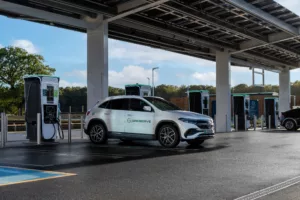
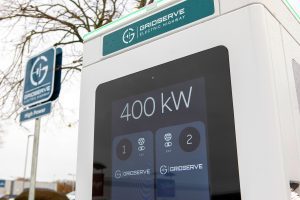
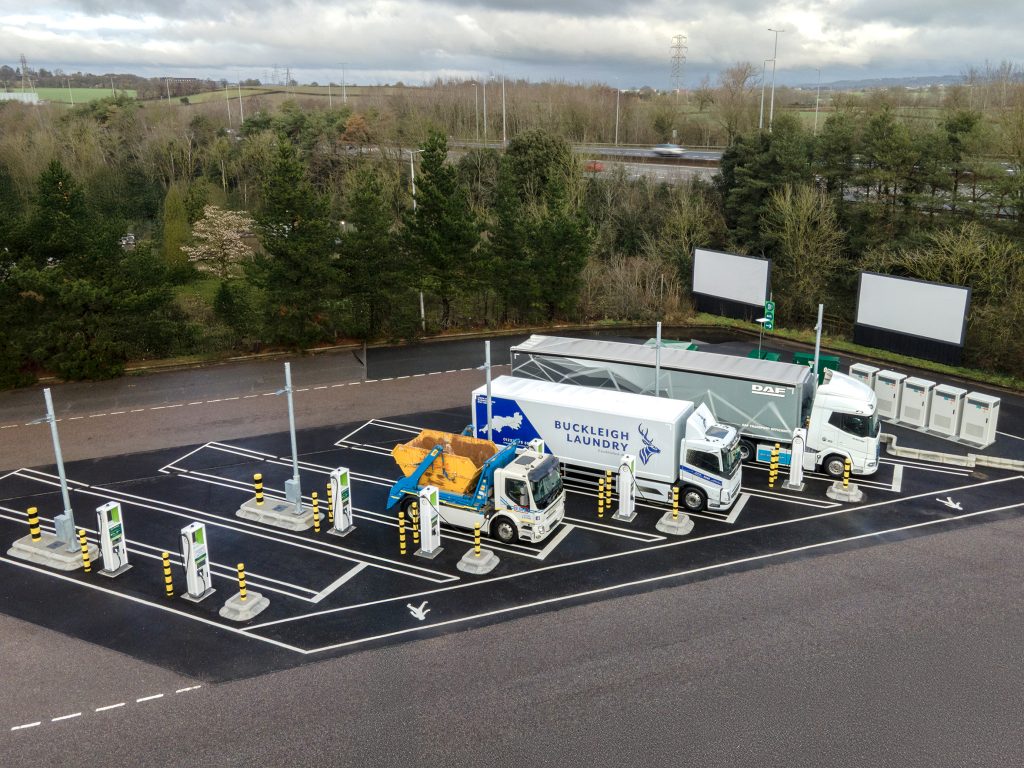
Of course, buying electric vehicles is only half the story. They need to be charged and that charging often needs to be superfast and ultra-reliable. While initiatives like the GRIDSERVE Electric Freightway are accelerating the national transition to electric freight, GRIDSERVE is also rolling out depot charging hubs to support fleets at base – recognising that dependable, on-site charging remains a vital component for efficient day-to-day operations.
To support this, businesses and public organisations can now claim up to £1 million towards installing charging infrastructure at their depots, covering as much as 70% of the cost. The scheme is open for applications until 30 June 2026, with projects expected to be completed by March 2027, with a second application window planned later in the year.
Some of the UK’s biggest operators are already making moves into electrification with known brands like Royal Mail, Amazon and Iceland Foods all participating in the Electric Freightway programme. With funding support from the Department for Transport, these firms have been able to introduce electric vehicles onto their fleets and showcase meaningful reductions in both running costs and emissions.
This additional funding has been welcomed by those working at the sharp end of the transition including Sam Clarke, Head of the eHGV programme at GRIDSERVE.
“Commitments like this remove two of the biggest barriers overnight: cost and confidence,” explained Clarke. “We’re seeing firsthand that once operators experience electric trucks in real-world use, the benefits stack up quickly, from lower running costs to improved reliability. This level of support gives businesses the certainty they need to invest, scale up and future-proof their fleets against both rising fuel prices and tightening emissions targets.”
For businesses weighing up the switch, the message is straightforward: the government is putting serious money on the table and the sooner companies plug in, the sooner they could start saving. Not just for the planet but their balance sheets, too.