Key takeaways
- From 1 March 2026, all newly registered cars in the UK receive “26” plates, which remain in use until 31 August 2026 before the “76” plates take over in September.
- The 26 number plate follows the standard UK format: two letters for the registration region, “26” as the age identifier, and three random letters (e.g., LA26 GRD).
- For EV buyers, plate changes matter for resale value, lease timing, and the option to display green number plates that signal zero-emission status.
- Whether you’re collecting a brand-new 26-plate EV or driving an older registration, the charging experience remains the same across our network.
What is the March 2026 “26” registration plate?
From 1 March 2026, every new vehicle first registered in Great Britain will carry “26” as its age identifier. This applies to all cars, vans, and motorcycles registered between 1 March and 31 August 2026, making the 26 plate the latest in the DVLA’s twice-yearly registration cycle.
The UK number plate system changes every six months. March brings plates using the last two digits of the year (so 26 for 2026), while September plates add 50 to that figure. That means the next change after 26 will be the “76” plates, issued from 1 September 2026 through to 28 February 2027.
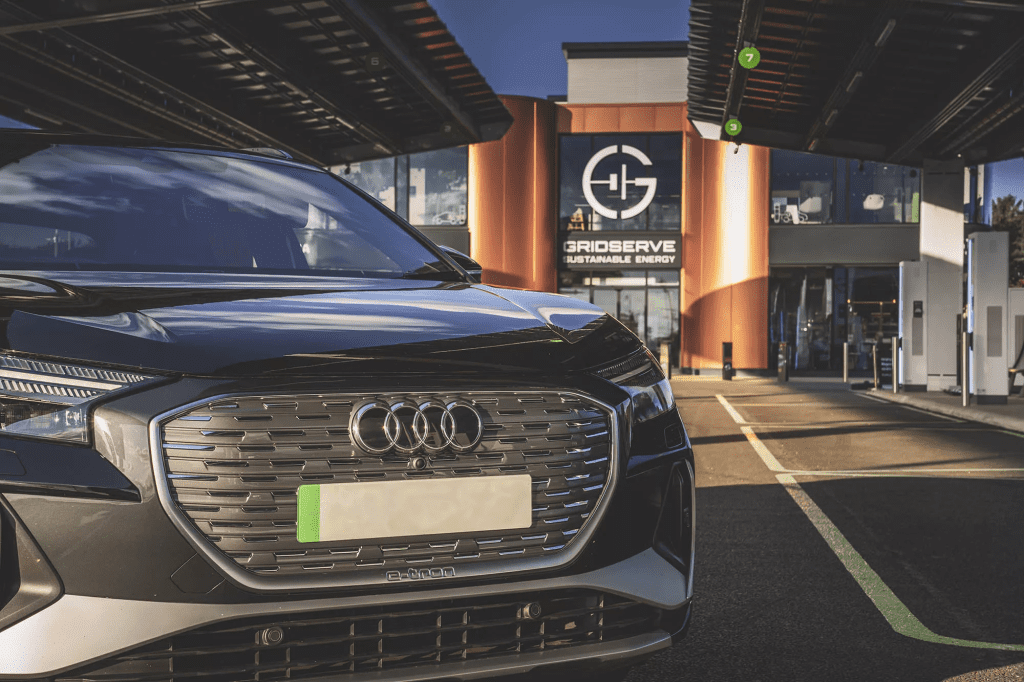
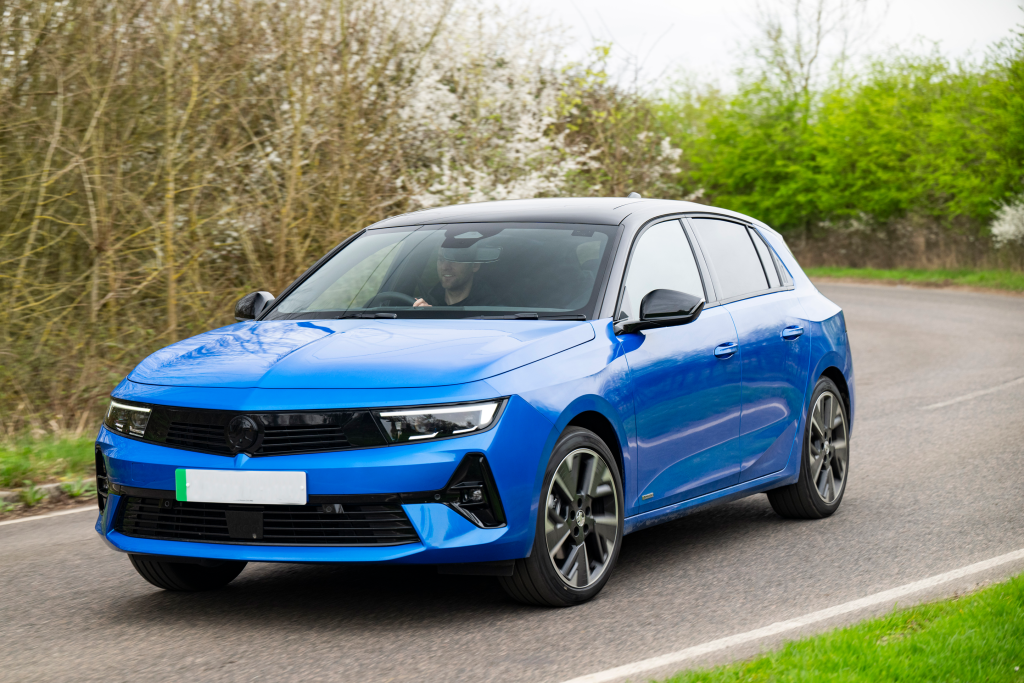
A typical March 2026 registration looks something like LA26 GRD. The first two letters indicate the regional memory tag (in this case, London), the 26 confirms when the vehicle was first registered, and the final three letters are randomly assigned to ensure each plate is unique. This format applies equally to petrol, diesel, hybrid, and electric vehicles, though fully electric cars can also opt for a green flash on their number plate to show off their zero-emission credentials.
At GRIDSERVE, we’re focused on the cars behind the plates. Our job is keeping new 26-plate EVs, as well as older models, charged, and their owners confident on the road, whether they’re heading to an Electric Forecourt® or using the Electric Highway on a longer journey.
Why the March 26 reg change matters if you’re buying or leasing an EV
If you’re planning to go electric in early 2026, timing your purchase around the plate change might feel unnecessarily complicated. But there are a few practical reasons why it’s worth thinking about.
Here are the key considerations for EV drivers:
- Perceived age and resale: A 26-plate EV will appear “newer” than a late-2025 or 75-plate car when you eventually sell or hand back your lease.
- Leasing cycles: Many EV leases run for three to four years. Collecting on a 26 plate means you’ll be handing back just as the next wave of battery and charging improvements arrives, potentially making your car more attractive on the used market.
- Manufacturer offers: Some brands discount remaining 75-plate EV stock in February 2026 to clear space for 26-plate deliveries. You might find savings on outgoing models.
- Tech: A March 2026 registration often comes with the latest safety features and charging capabilities, which can be attractive for daily use and longer trips on the motorway network.
Should you grab a discounted 75-plate EV in February 2026, or wait a few weeks for a 26 plate?
If budget is your main concern and you find a strong deal on a 75-plate car, the savings might outweigh the perceived age difference. But if resale value matters or you’re leasing, waiting for the 26 plate can make sense, especially for popular models where demand stays high.
Whichever option you choose, the charging experience is the same. GRIDSERVE’s network offers super fact chargers at Electric Super Hubs, extra amenities at Electric Forecourts®, and infrastructure designed to support 26-plate EVs from day one.
One final thought: try to focus less on the number on the plate and more on battery size, charging speed, and efficiency when choosing an EV. The plate change is a useful milestone for planning, but it’s the car underneath that matters most.
Practical plate rules every 26-plate EV driver should know
While plates might feel like a cosmetic detail, there are real legal requirements that apply equally to EVs and ICE cars. Getting them wrong can lead to fines, MOT failures, or insurance headaches.
Here are the key DVLA regulations in black and white:
- Both front and rear plates must be fitted (rear only on motorcycles), with a white front plate and yellow background on the rear plate.
- Standard character sizes, spacing, and the Charles Wright font must be used. Altering them to “style” the plate (using different fonts, coloured borders, or incorrect thickness) can lead to MOT failures or fines of up to £1,000.
- You can’t change or rearrange the letters to spell words that aren’t actually on the registration, or try to make the car look newer than it is.
- If you buy a personalised registration, the age identifier still can’t make an older EV appear younger. A “26” plate must go on a car first registered on or after 1 March 2026.
For EV drivers specifically, a few extra questions often come up:
- Fitting a green flash to an eligible EV is straightforward, just use a compliant plate supplier and provide your V5C.
- You can pair a private plate that hides the age with a green flash on a used electric car, as long as the age identifier doesn’t make the car look newer than it is.
- Any plate fitted at an EV dealership or online supplier must be BS AU 145e compliant to meet legal requirements.
If you change your registration details, for example, by moving from a standard 26 plate to a private number plate later, remember to update your insurance company, parking apps, and congestion charge accounts. GRIDSERVE chargers identify vehicles by charge session rather than plate, but some local parking or overstay rules at service areas may use your registration number, making accurate plates important when charging.
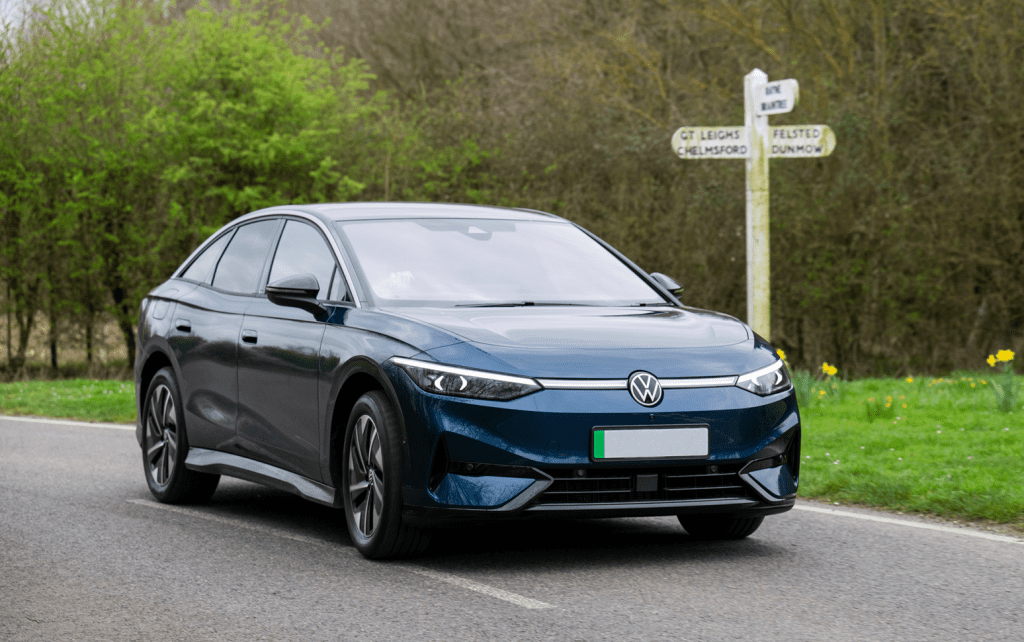
Timing your switch to an EV around the 26 plate
There’s something emotionally appealing about having the “newest-possible” plate on your first EV. We get it. But the right car and charging setup will serve you better than any two digits ever could.
GRIDSERVE supports new EV owners during this transition with simple payments available through our app or by contactless, access to a additional 25% off charging with our GRIDSERVE Plus membership scheme and clear on-site guidance at Electric Forecourts® and across the wider Electric Highway. If you’re new to public charging, our bay markings and customer support make the process straightforward.
One final thought: don’t let any sort of plate date delay your decarbonisation journey longer than necessary. If the right EV is available now, switching sooner can cut fuel costs and emissions immediately. The 26 plate (or September’s 76 plate) is just a number what matters is getting into an EV that fits your life and knowing you can charge it confidently wherever you go.
FAQ
These FAQs cover common questions about the March 2026 registration change that weren’t fully addressed above. If you’re still weighing up your options or have specific concerns about plates and charging, you might find answers here.
Can I fit a green plate later if I buy a 26-plate EV without one?
Yes, if your vehicle is fully zero-emission, you can ask a compliant plate supplier to make and fit green-flash plates at any time. You’ll need to provide your V5C registration certificate and ID as proof of ownership. The underlying registration—say, LA26 EVS—stays exactly the same; you’re only changing the physical plates, not the registration number itself. This doesn’t affect how the car charges or appears to GRIDSERVE, but it may make it easier for local authorities to recognise your EV for any future parking or access incentives.
Does having a 26 plate change how much it costs to charge my EV?
The registration date doesn’t directly affect charging prices. Tariffs on networks like GRIDSERVE’s Electric Highway are the same for 26-plate cars as for older EVs—you’ll pay the same per kWh regardless of when your car was first registered. What can influence running costs more is your EV’s efficiency and charging speed, and whether you mix home charging with public charging smartly. Newer 26-plate EVs may support higher ultra-rapid charging speeds, letting you make better use of the most powerful chargers at Electric Forecourts® and Electric Super Hubs.
Is it worth waiting for a 26 plate if I can get a good deal on a 75-plate EV now?
This depends on your priorities. If resale value and having the “newest” plate matter most to you, waiting for a 26 plate can help, but discounts on 75-plate EVs may offset any difference in perceived value. Compare the total cost of ownership over a few years rather than focusing solely on the plate digits, and factor in things like warranty length and battery technology. GRIDSERVE supports both new and nearly-new EVs equally on the charging network, so the day-to-day ownership experience can be very similar whichever way you go.
Can I put a personalised plate on a new 26-plate EV right away?
You can assign a private number to a new EV as soon as you have the correct DVLA paperwork, either through your dealer, online, or by post. The key rule is that the personalised number plates’ age identifier must not make the car look newer than it is—you can’t move a “27” or “76” style age mark onto a 26-registered EV. Once assigned, update your insurance and any parking or charging accounts that rely on your registration, even though GRIDSERVE chargers themselves do not require number plates for access. The perfect plate is one that reflects your initials or interests while staying compliant with DVLA criteria.